We’ve all been there. You’re buying a home or planning a build, and you see two inspection quotes: one for $300 and another for $500. The cheaper option looks tempting, right? What could go wrong with saving a couple hundred bucks?
Well, let me tell you about three real scenarios we’ve seen here in North Carolina that turned small savings into financial nightmares.
Issue #1: “It’s Just Regular Dirt” – The Misidentified Soil Problem
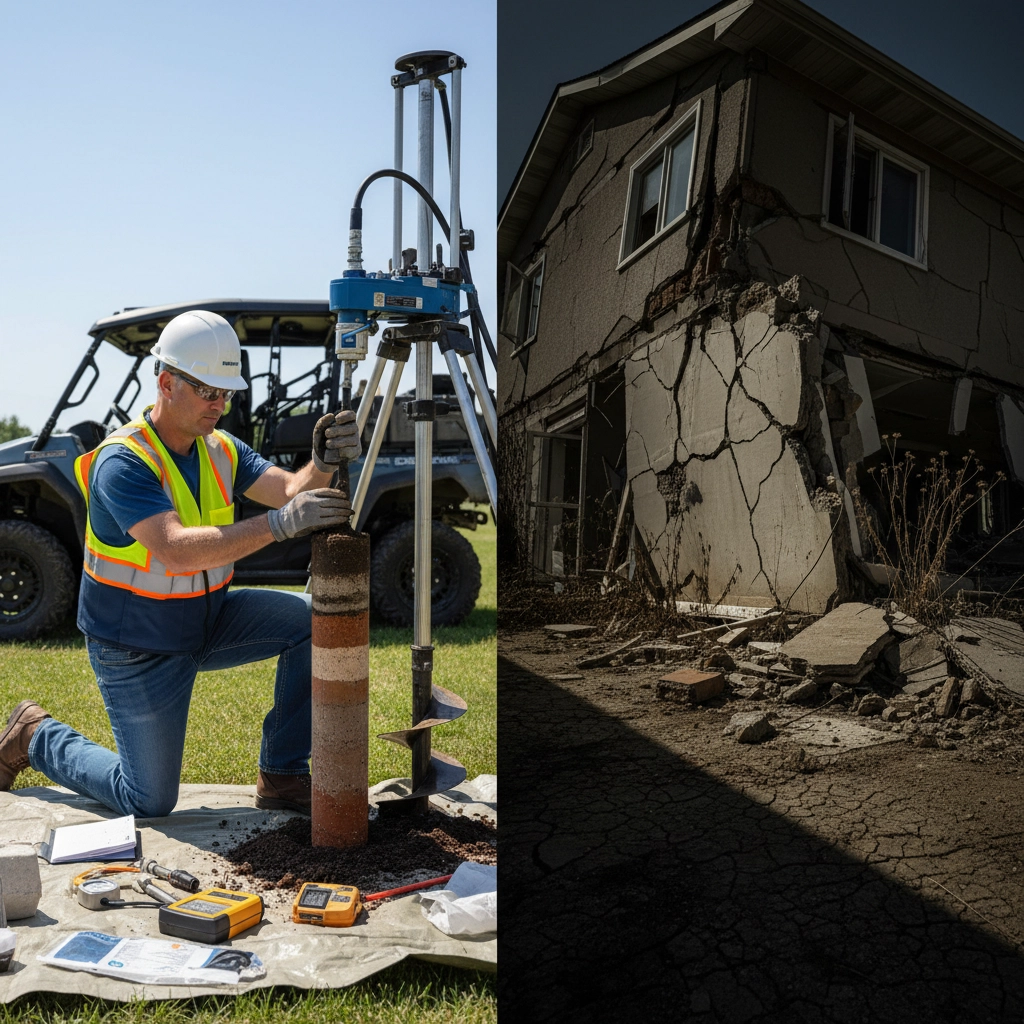
Last year, a contractor hired a cut-rate geotechnical firm to assess soil conditions for a new home foundation in Charlotte. The inspector took a quick look, declared it “standard clay soil,” and called it a day. No proper subgrade test, no detailed soil analysis.
What the cheap inspection missed: The soil was actually expansive clay that swells dramatically when wet and shrinks when dry. Any engineer worth their salt would have caught this with proper soil sampling and laboratory analysis.
The real cost: Six months after construction, the foundation began cracking and shifting. The homeowner faced a $180,000 remediation project involving underpinning the entire foundation, repairing structural damage, and installing specialized drainage systems.
The lesson: A thorough Geotech analysis costs around $1,000-$2,000. That “expensive” inspection would have identified the expansive clay and recommended proper foundation design from the start.
Issue #2: “Any Fill Will Do” – The Improper Fill Disaster
A builder in the Triangle area wanted to save money on their site preparation. They hired an inspector who rubber-stamped their plan to use random fill material instead of conducting proper compaction tests and material specifications.
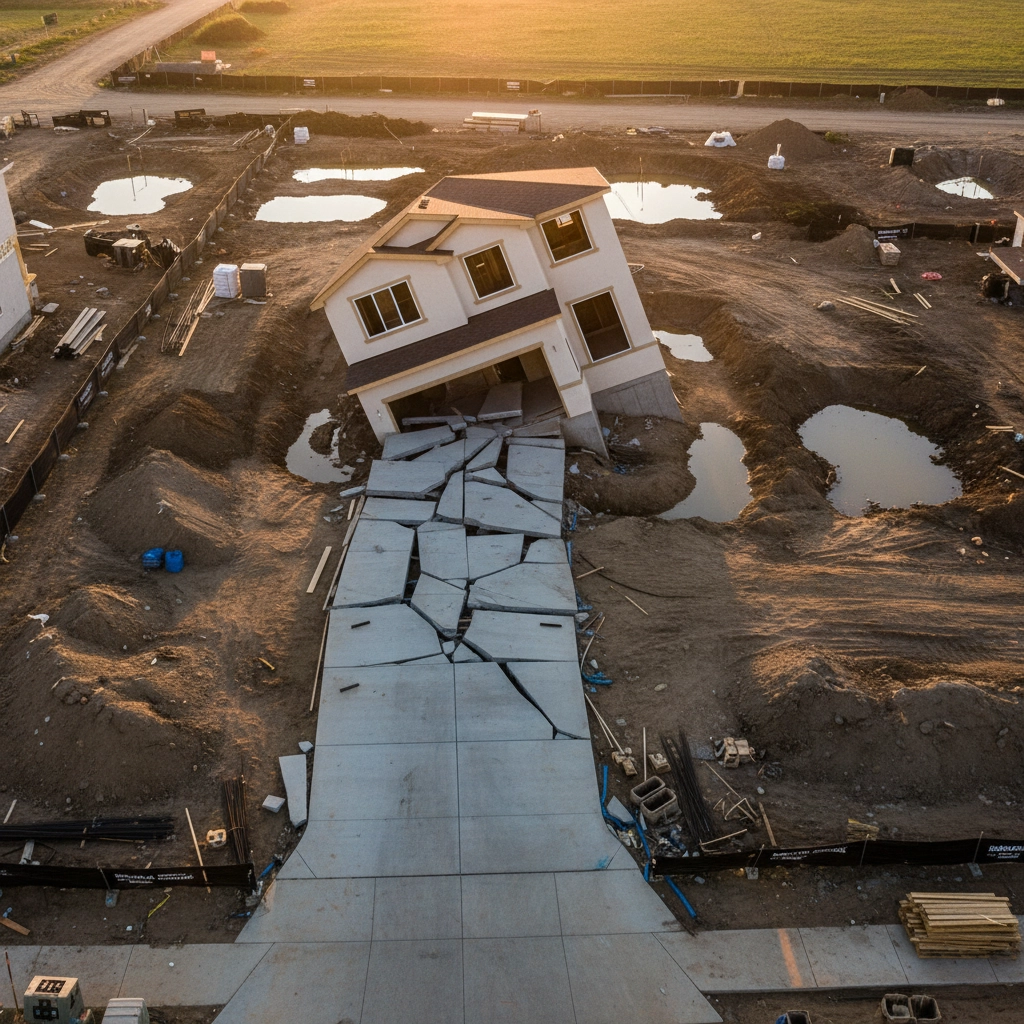
What went wrong: The fill material contained organic matter and wasn’t properly compacted. During our post construction home inspection process on the completed home, we noticed telltale signs of settlement that the original inspector completely missed.
The damage: The house developed significant settlement issues within two years. Doors wouldn’t close, cracks appeared throughout the structure, and the driveway buckled. The fix required excavating under the existing foundation, removing improper fill, and rebuilding with engineered materials.
The bill: $220,000 in structural repairs and foundation work.
What proper inspection would have cost: Around $800 for comprehensive fill material testing and compaction verification. That’s a pretty good return on investment compared to $220,000 in repairs.
Issue #3: “I Don’t See Any Water” – The Hidden Groundwater Problem
Here’s one that hits close to home. A family building their dream house in the foothills hired the cheapest inspection company they could find. The inspector did a surface-level assessment during dry summer months and gave the all-clear.
The oversight: No groundwater monitoring, no seasonal water table analysis, no consideration of nearby creek systems or topography.
The reality check: Come spring, groundwater levels rose significantly. The basement flooded repeatedly, and hydrostatic pressure started cracking foundation walls. Mold became a serious health concern.
The financial impact: $150,000 for waterproofing systems, mold remediation, foundation repairs, and installing permanent drainage solutions. Plus the family had to move out for three months during remediation.
Prevention cost: A proper groundwater assessment, including seasonal monitoring and water table analysis, runs about $1,200-$1,800. Seems like a bargain now, doesn’t it?
The Real Math of “Savings”
Let’s break this down:
- Cut-rate inspection: $200-$400
- Thorough professional inspection: $500-$800
- Your “savings”: Maybe $400
Potential costs when things go wrong:
- Soil issues: $150,000-$200,000+
- Fill problems: $180,000-$250,000+
- Groundwater disasters: $100,000-$180,000+
Why Experience Matters
At B.A. McCurry Engineering, we’ve seen these scenarios play out too many times. A thorough inspection isn’t about checking boxes: it’s about understanding how soil, water, and structural systems work together in North Carolina’s unique environment.
Our Engineering team knows that expansive Piedmont clays behave differently than coastal soils. We understand how seasonal water tables fluctuate across different regions. We know which fill materials work in our climate and which ones spell trouble.
What You’re Actually Buying
When you invest in a comprehensive inspection, you’re not just buying a report: you’re buying peace of mind and financial protection. You’re getting:
- Proper soil classification and subgrade test results
- Material specifications that work in NC conditions
- Engineering expertise that prevents problems instead of just documenting them
The Bottom Line
That $200 you “save” on a cheap inspection could cost you $200,000 in change orders and repairs. We’ve seen it happen, and we’ve helped families dig out of these expensive holes.
Don’t gamble with your biggest investment. Whether you’re buying an existing home or building new, make sure your inspection and geotechnical analysis are done right the first time.
Ready to protect your investment with a thorough inspection? Contact our team at B.A. McCurry Engineering. We’d rather help you avoid problems than help you fix them later.
Because in construction, like most things in life, you usually get what you pay for.